Subject Leader

History lead- Tom Colledge (Thornhill)
Intent
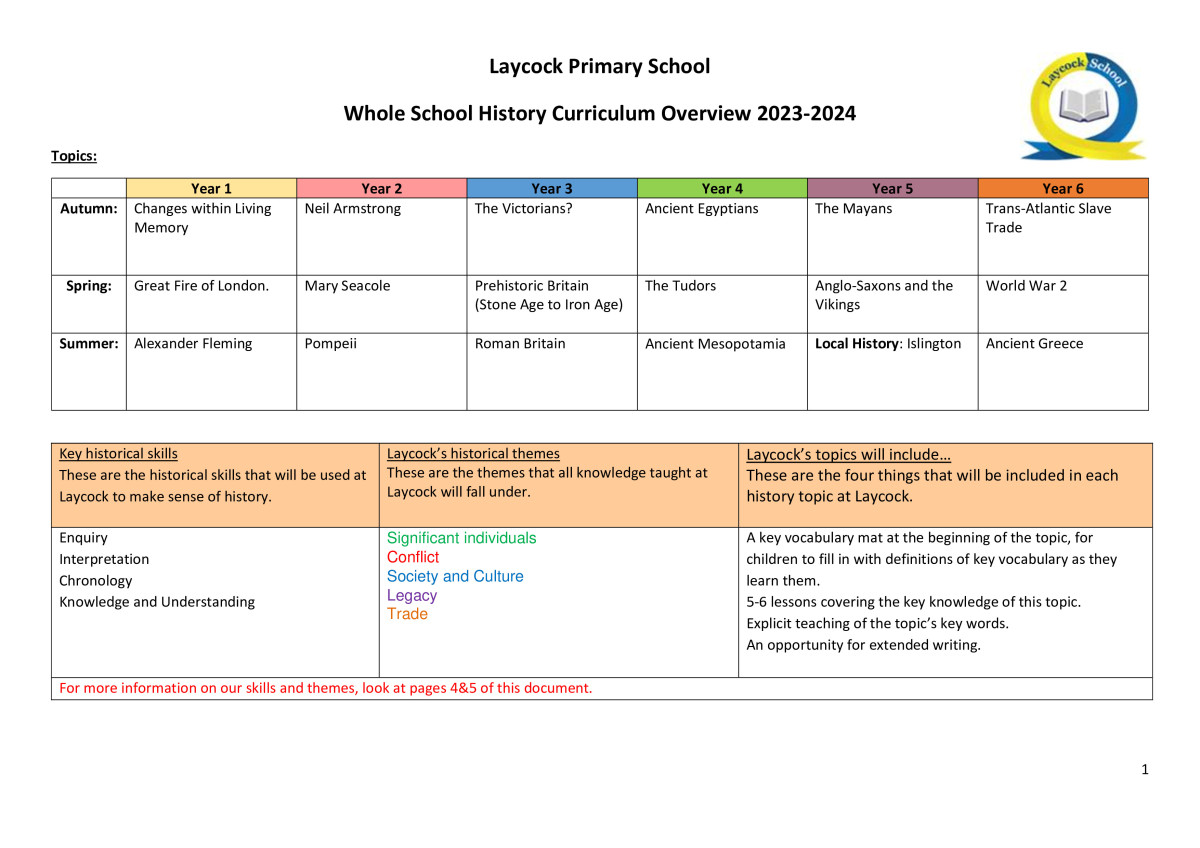
History is the very foundation of the world that we live in today and we believe that this idea should form the basis of how children interact with the past. At Laycock Primary school, we endeavour to allow children to explore the past as a coherent narrative from ancient civilisations through to modern history. It is vital that our curriculum allows children to develop a deep understanding of the history of Britain, the history of the wider world, the history of ancient civilisations, and the history of Islington as their local area. To do this we aim to:
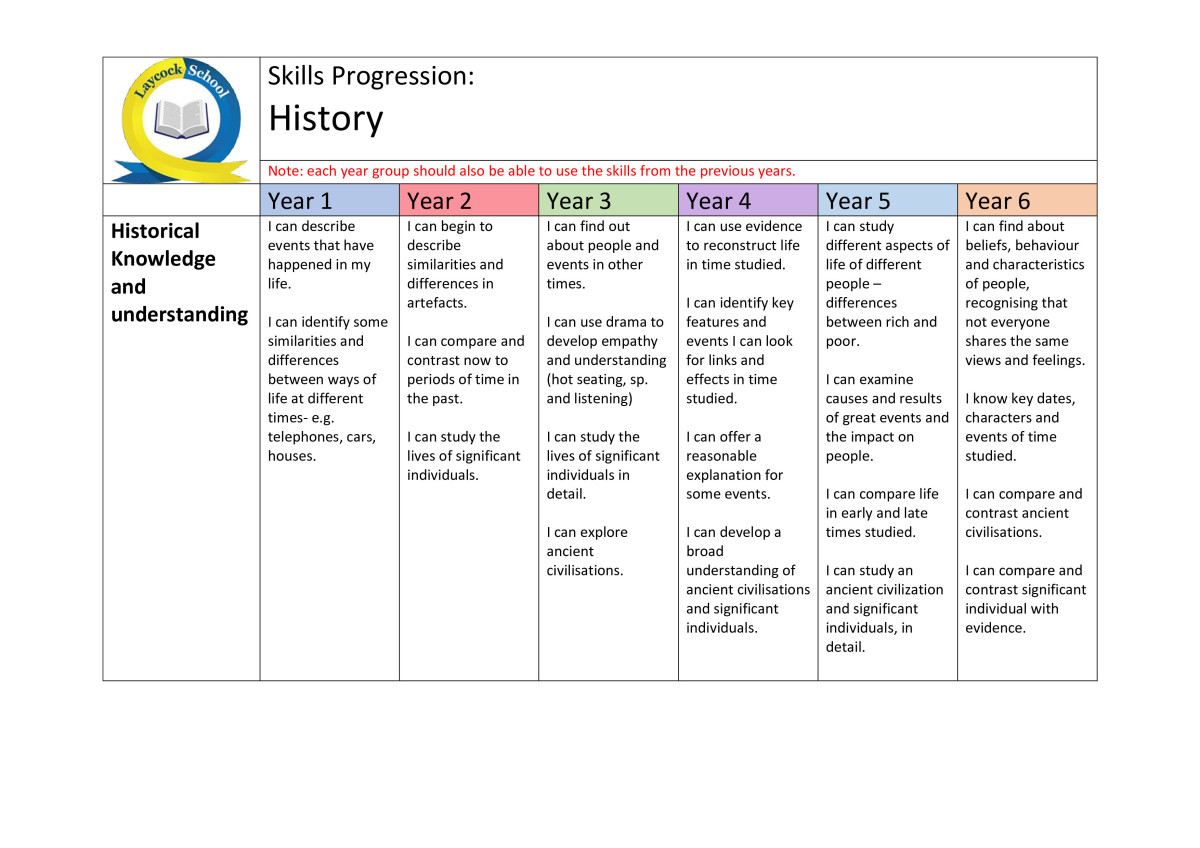
- Foster an enthusiasm and curiosity about history and learning about the past through an engaging and varied curriculum; developing our key historical skills (Enquiry, Interpretation, Chronology, Knowledge and Understanding) that will allow children to harvest a deep understanding in any area of history.
- Teach key historical concepts and vocabulary progressively across the school in line with the National Curriculum.
- Allow children to explore the five key historical themes (society and culture, conflict, legacy, trade and significant individuals) as a way of both deepening their understanding of history and articulating similarities and differences across all areas of history.
- Develop a secure sense of chronology; acquiring an understanding of time, events and people through the passing of time.
- Use research skills to pose questions and investigate the past by making inferences and drawing conclusions.
- Study, in depth, the figures that have shaped history and the world in which we live.
Implementation
In order to achieve what we have set out in our intent, history is taught in three topics across the academic year, with each topic focusing on a different area of history in line with the national curriculum. At Laycock, our history topics are taught:
- To ensure children have access to Laycock’s four historical skills (Enquiry, Interpretation, Chronology, Knowledge and Understanding) in each topic to fully understand that area of history.
- Through carefully sequenced lessons that demonstrate progression building upon prior knowledge and enabling children to apply it to new learning.
- To allow children to make links across the curriculum through the explicit exploration of three of Laycock’s historical themes (society and culture, conflict, legacy, trade and significant individuals) in each topic.
- Using timelines that show all prior learning so that chronology is embedded and children understand how different periods of history link together.
- By ensuring that key vocabulary is taught explicitly in each topic so that children have the language to talk confidently about history.
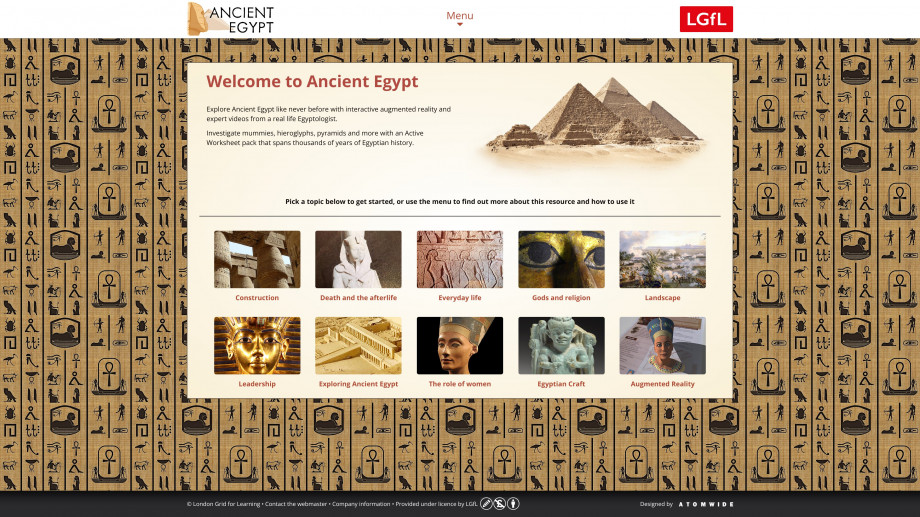
- By incorporating a range of sources of evidence – both primary and secondary – to help bring history to life within the classroom.
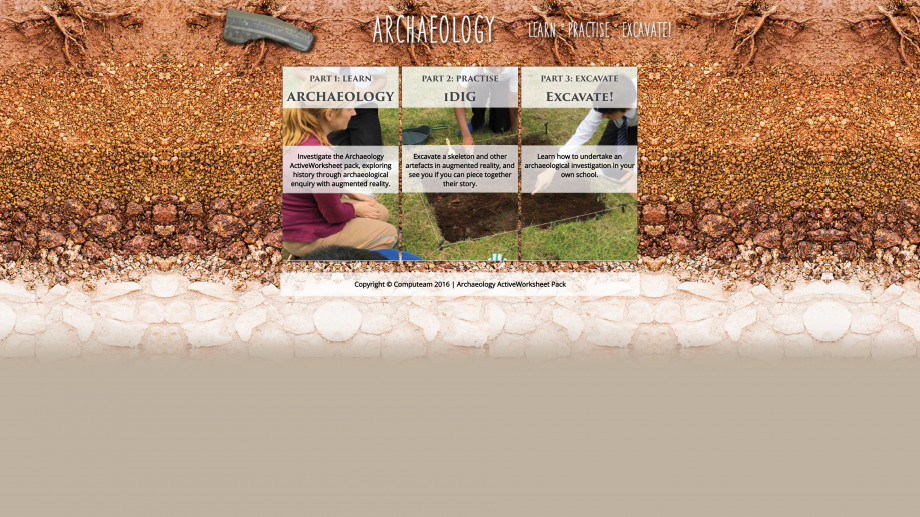
- Through historical visits and activities where children are able to develop a greater understanding of the past in their local area and across the world.
Impact and Assessment
The impact of History teaching is assessed in a variety of ways- book monitoring, informal learning walks and pupil voice. These are performed by the subject leader to gain an insight of History teaching in practise. In addition to this, the subject leader conducts informal pupil interviews to ensure that learning has been achieved sufficiently and can be recalled when prompted. Through this, it is evident that pupils are excited and curious about History. The class teacher will monitor the progression of children in their class by conducting an end of unit assessment to assess the knowledge that the children have gained during that topic. Furthermore, each topic will begin with an assessment of prior learning to assess both children’s starting points and their retention of historical knowledge long term. Class teacher’s will then use a combination of these assessments, the child’s learning in lessons and their own informal AfL (Assessment for Learning) to make a judgement on whether each child is working at, above or below age related expectations within history.